BySonu
Helpful Troubleshooting Steps for (253) 230-6098 When Errors Arise
In troubleshooting errors for the number (253) 230-6098, the process begins by identifying the error type with concrete examples. Next, verify numbers, contacts, and dialing formats, ensuring country codes are correct and recent changes are reviewed. Then, check network, device, and app settings, test alternate networks, and assess permissions and server addresses. Finally, examine logs and provider signals to locate the fault and outline escalation steps, leaving a clear path forward for those steps to follow.
Identify the Error Type With Clear Examples
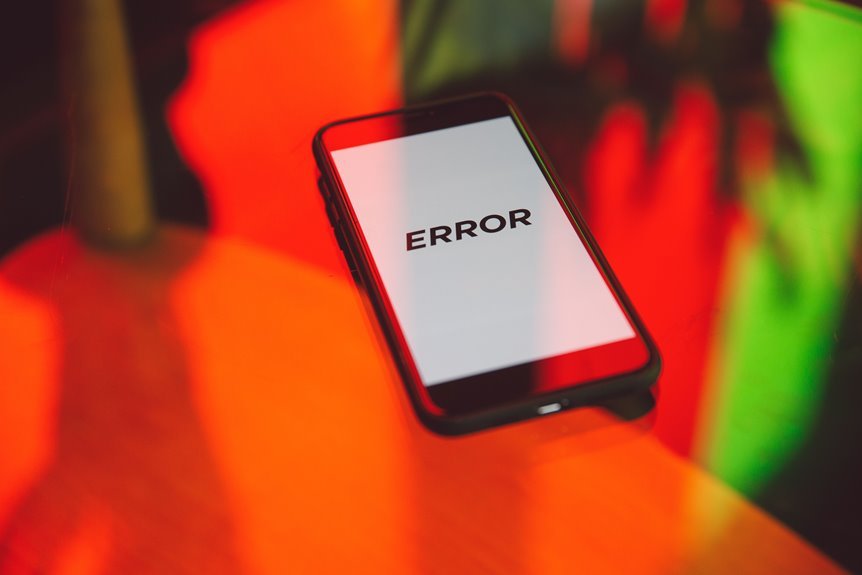
Identifying the error type is the first step in effective troubleshooting. The approach classifies issues into categories such as connection failures, mislabeled tones, or unexpected prompts, then cites concrete examples. This method discourages unrelated topics or off topic ideas, focusing on relevant symptoms.
Clear distinctions prevent misdiagnosis and guide targeted actions, improving resolution speed and preserving user autonomy.
Verify Numbers, Contacts, and Dialing Format
To proceed from identifying the error type, the next step focuses on verifying numbers, contacts, and dialing format. The process remains clear and methodical: verify numbers against records, confirm saved contacts, and ensure dialing format aligns with regional rules. Review diagnose logs for anomalies, and outline escalation steps if mismatches persist. Accurate data prevents misrouting and simplifies resolution.
Check Network, Device, and App Settings for Failures
Check Network, Device, and App Settings for Failures. The article outlines methodical checks of network troubleshooting steps, ensuring connectivity remains stable.
Verify basic device configuration, including Wi‑Fi or cellular settings, airplane mode, and recent changes.
Review app permissions and updates, confirm correct server addresses, and test alternate networks.
A concise, freedom‑minded approach minimizes friction and isolates faults quickly.
Diagnose Logs, Provider Signals, and Escalation Steps
Logs and signals from the provider are analyzed next to confirm where faults originate. The process emphasizes identifying error patterns and documenting failure timelines to map incident flow. Logs are correlated with network and application events, then escalated to providers if anomalies persist. Escalation steps include ticket creation, status tracking, and repeat validation until resolution is verified.
Frequently Asked Questions
How Can I Confirm the Number Is Not Spoofed or Changed?
A methodical approach confirms the number by cross-checking with carrier records, verifying caller ID provenance, and using spoofing detection tools; if discrepancies appear, treat as misleading callers and terminate contact to protect safety and privacy.
What Privacy Settings Might Block Calls to This Number?
An allegory: privacy settings act as a quiet gatekeeper; call blocking prevents unwanted summons. Privacy settings may block this number; call blocking features could silence it, preserving freedom while limiting unsolicited interruptions in a methodical, transparent way.
Can a Recent OS Update Affect Calling Capabilities?
Recent OS updates can affect calling reliability by altering network permissions, codecs, or SIP settings. The system should review update notes, test calls after reboots, and ensure carrier settings are current for optimal calling reliability and uninterrupted freedom.
Do Carrier Outages Typically Cause This Error?
Outages can cause this error. Carrier outages may disrupt network signaling or routing, and spoofed numbers complicate verification; the system often flags or blocks traffic. Users seek freedom, but outages test patience and resilience under uncertainty.
Which App Permissions Disrupt Dialing or Call Logs?
Permissions conflicts can disrupt dialing or call logs, as some apps override system permissions. This affects call log visibility and call history accuracy, so users should review permissions, disable unnecessary access, and ensure essential dialing apps retain priority.
Conclusion
The conclusion, written in a detached third-person tone, emphasizes that a seemingly simple number clash can unleash a torrent of tangled failures. By following a disciplined, stepwise approach—categorizing errors, verifying contacts and dialing formats, auditing network and device settings, and inspecting logs—the investigation becomes a precise, almost heroic routine. In this method, issues are isolated with logic, not luck, turning chaotic symptoms into a structured sequence of corrective actions, delivering clarity, reliability, and confident resolution.